HISTORY

Design makes more sense when you know what came before.

Interious follows the ideas, technologies, people and social changes that shaped architecture and interiors — and how those histories crossed borders, changed form and entered everyday homes.

A connected history, not a sequence of labels.

Movements overlap, react against one another and develop differently by place. Interious treats history as a network of influences: craft and industry, tradition and modernity, local building culture and international exchange.

1880s–1910s
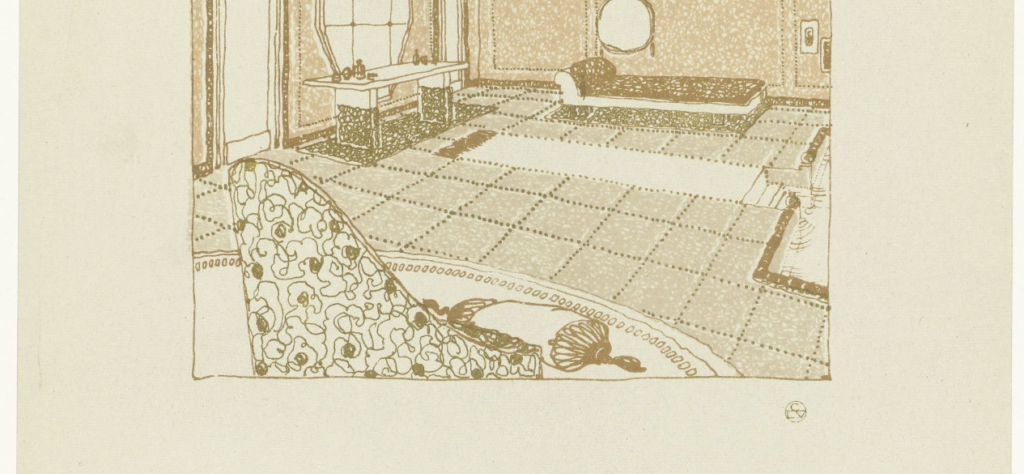
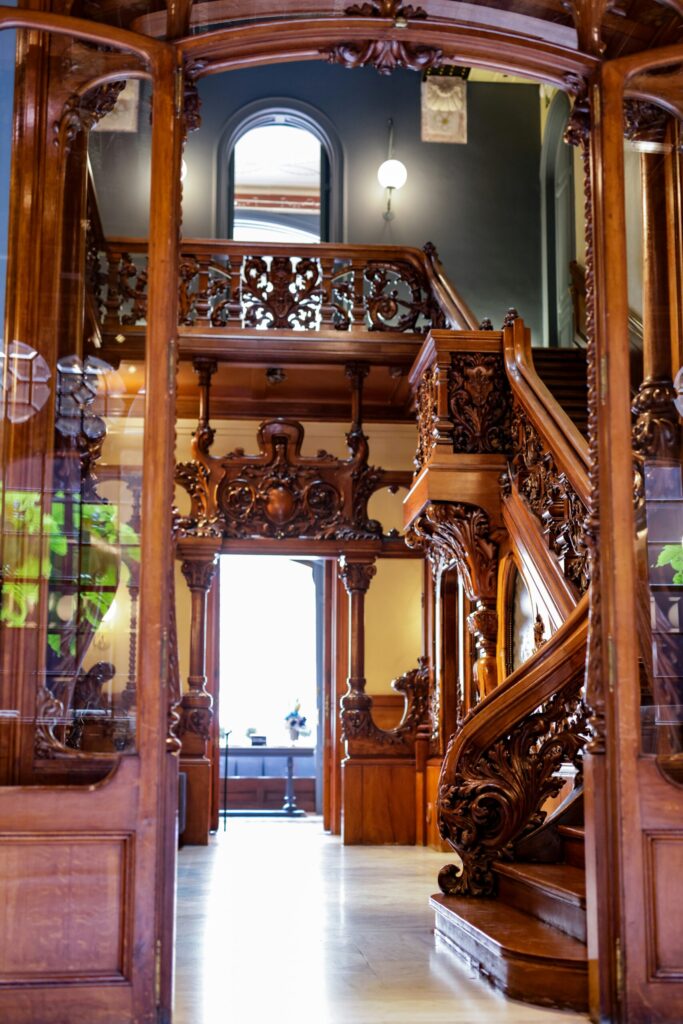
Arts & Crafts, Art Nouveau and Jugendstil rethink craft, ornament and the modern home.

1920s–1930s
Art Deco, modernism and traditionalist responses compete to define modern domestic life.

1945–1960s
Reconstruction, new production methods and international modernism reshape housing and interiors.

1960s–1970s
New materials, mass culture and changing lifestyles produce more expressive forms of modernity.

Revival and reinterpretation
Older languages return, but rarely unchanged; every revival reflects its own place and time.

Europe ↔ America

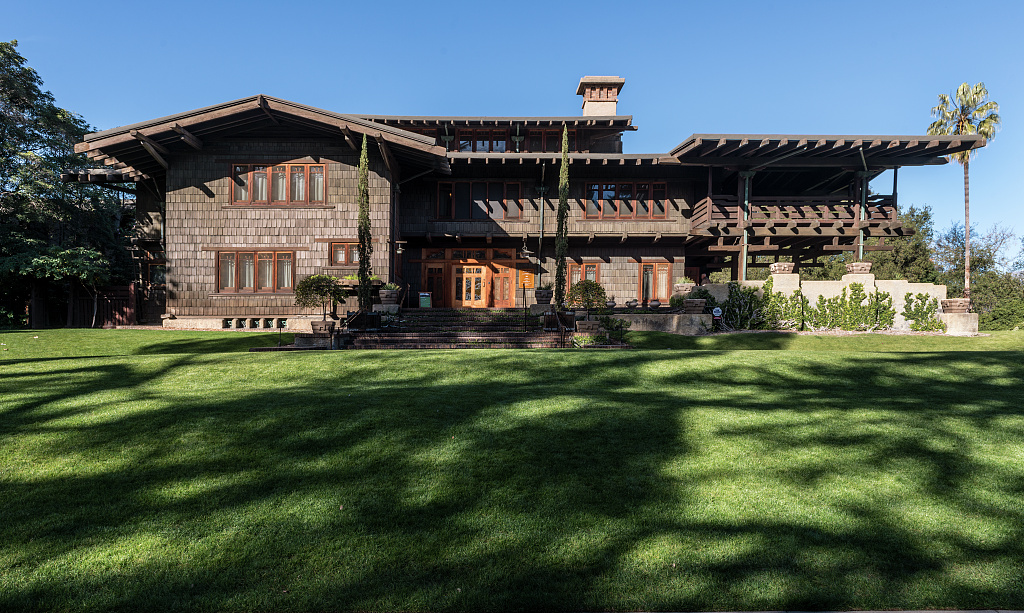
One of Interious’ recurring themes is what happens when design crosses the Atlantic. British Arts & Crafts evolves into American Craftsman; European Art Deco acquires new scale, materials and speed; continental modernism becomes part of the language of American mid-century design. The interesting story is not that they are identical, but how they changed.

Stories from the timeline

The past is useful when it helps you choose well today.

Historical context becomes practical when it helps explain which forms, materials and details are native to a period — and which later choices can still belong without becoming imitation.