
OBJECTS
See beyond the silhouette.
Iconic objects are often reduced to a recognisable outline. The more useful question is what the designer changed: a structure, a material, a production method, an everyday habit or an entire idea of comfort.
DESIGN
Design sits where use, material, technology and culture meet. Interious connects objects to the people, processes and movements behind them so you can understand not only what something looks like, but why it took that form — and why some designs endure.
A chair, lamp, handle or table is never only a shape. Function, ergonomics, available materials, manufacturing, cost, technology, taste and the designer’s own ideas all leave traces.
Interious brings those decisions together so an object becomes more than an image: evidence of its time, its maker and the problem it was trying to solve.
Function & use
What problem is the object solving, and how does a person actually interact with it?
Material & manufacture
Which materials and processes make the form possible — and what limitations do they impose?
Form & proportion
How do scale, geometry, balance and visual weight shape the object?
Designer & context
Which ideas, movements, technologies and social conditions influenced the design?
Detail & longevity
How do joints, finishes, repairability and ageing affect whether the object lasts?
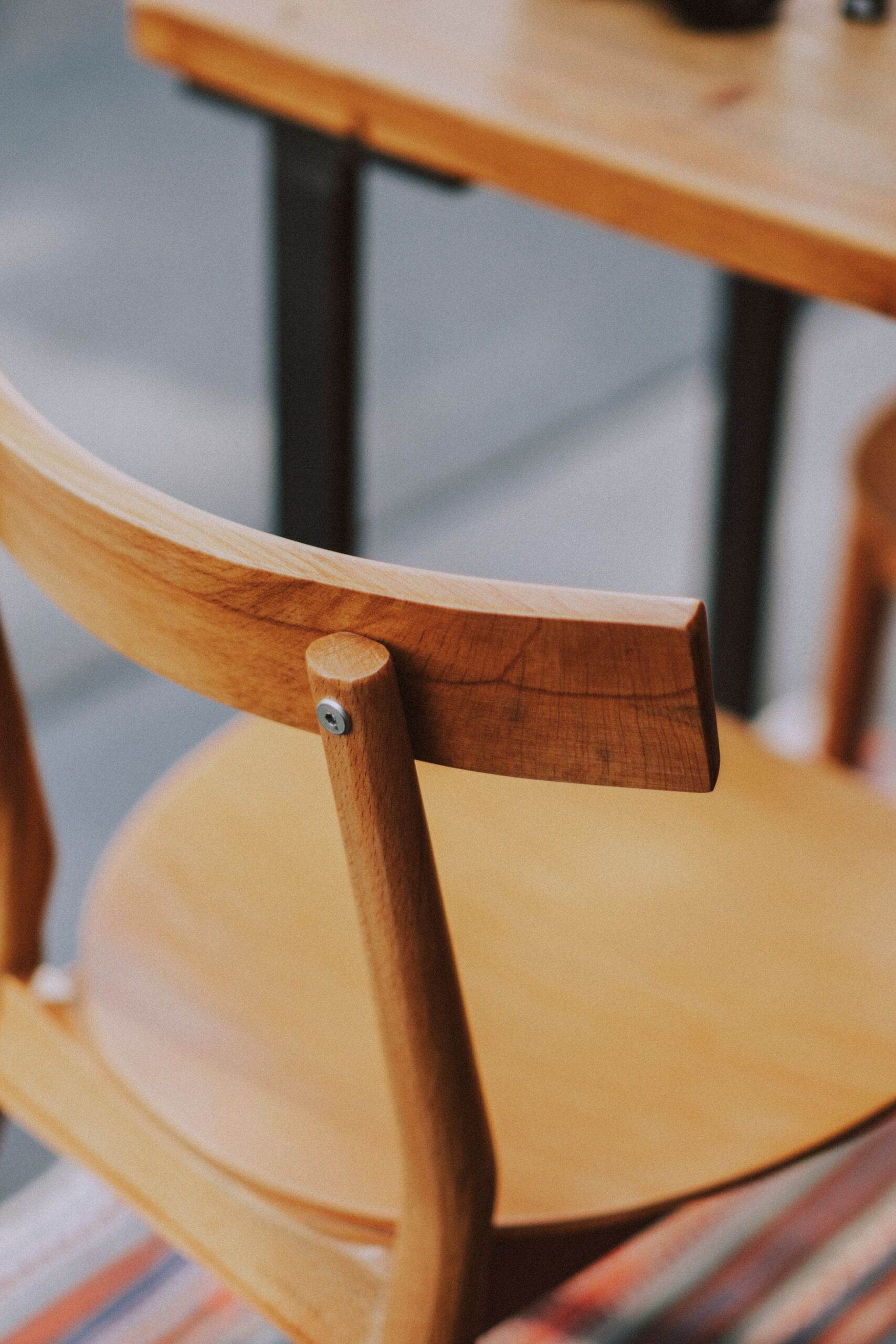
Look closely before naming a movement. Joinery, casting, bending, fasteners, surface, weight, proportions and signs of use can reveal how and why an object was made.
OBJECTS
Iconic objects are often reduced to a recognisable outline. The more useful question is what the designer changed: a structure, a material, a production method, an everyday habit or an entire idea of comfort.
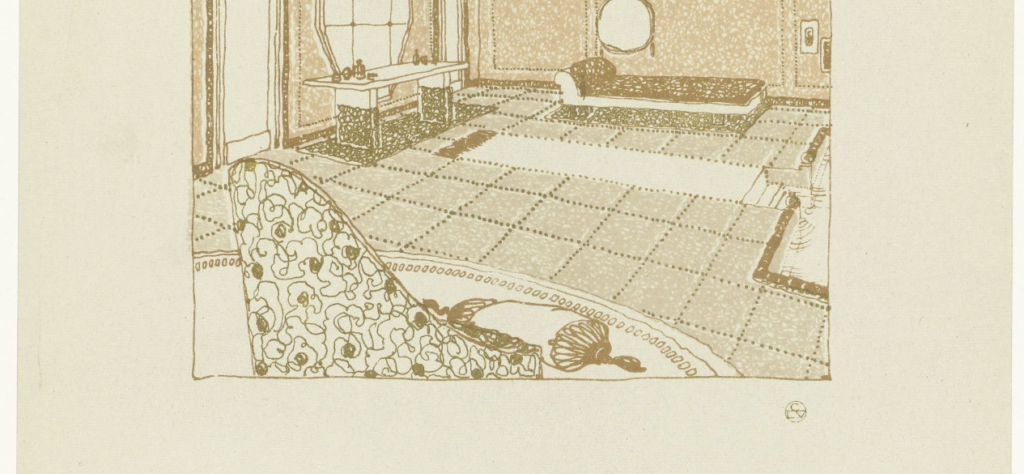
Furniture, lighting, hardware and everyday objects are experienced in rooms, not in isolation. Their scale and effect change with architecture, circulation, light and neighbouring objects.
Bentwood, tubular steel, plywood, aluminium, plastics and composites each opened new possibilities. Material is not decoration added afterwards; it often determines structure, cost, feel and lifespan.
Bentwood, tubular steel, plywood, plastics, aluminium and composites each opened different possibilities. New processes do more than make new shapes possible; they change cost, scale, repairability and the relationship between craft and industry.
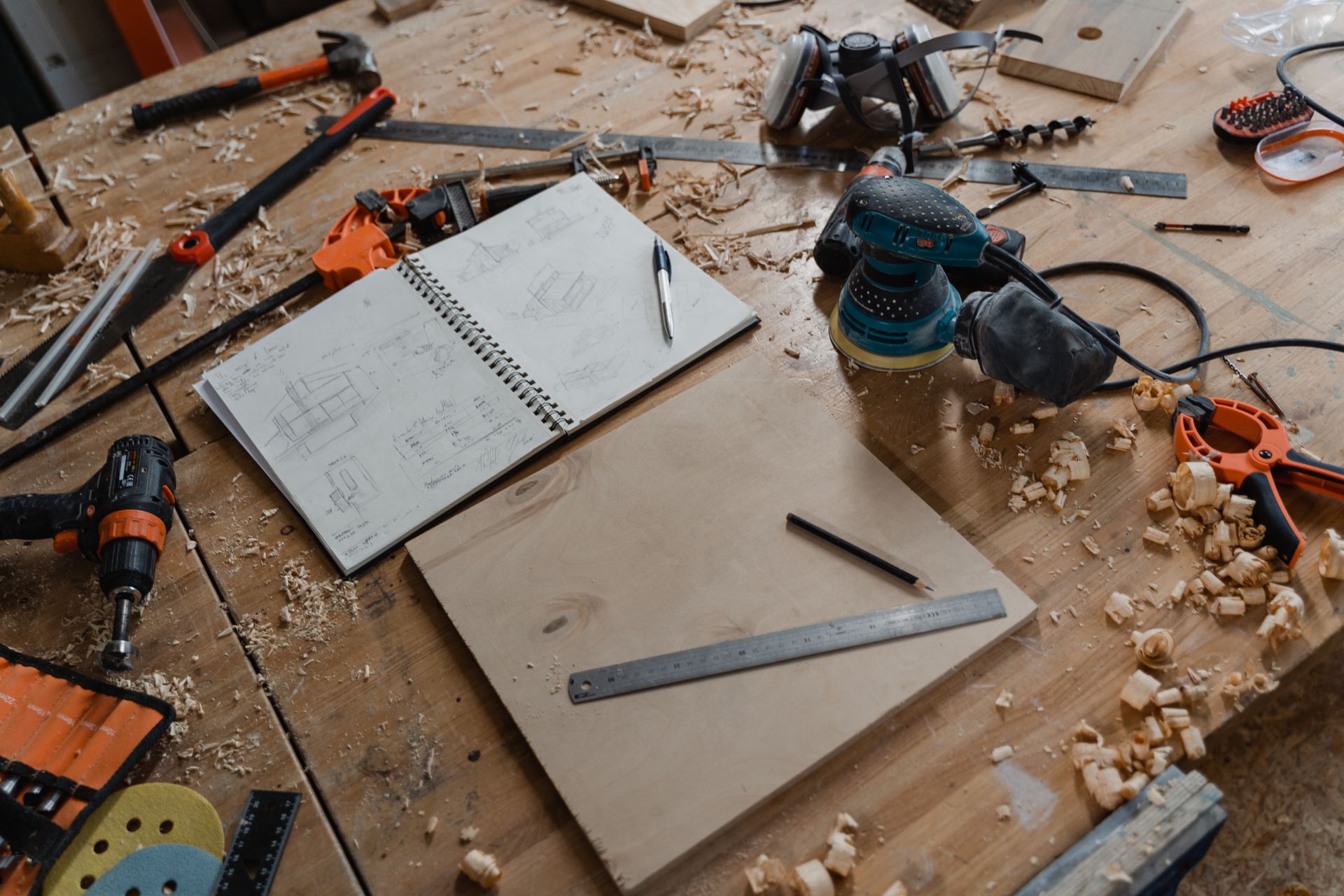
Follow the process and you begin to see why the same design idea can look entirely different when its material or method changes.
Craft
Skill, hand tools and material knowledge shape each object directly.
Mechanisation
Machines repeat operations and make new precision possible.
Industrial production
Standardisation turns design into something that can reach a mass audience.
Systems & modularity
Components, grids and interchangeable parts change how objects are made and used.
Contemporary making
Digital fabrication and new materials reconnect customisation with production.
Style Histories
From the 1925 Paris exposition and Ruhlmann’s crafted luxury to skyscrapers and Streamline Moderne: how Art Deco changed across the Atlantic.
Read article →
Style Histories
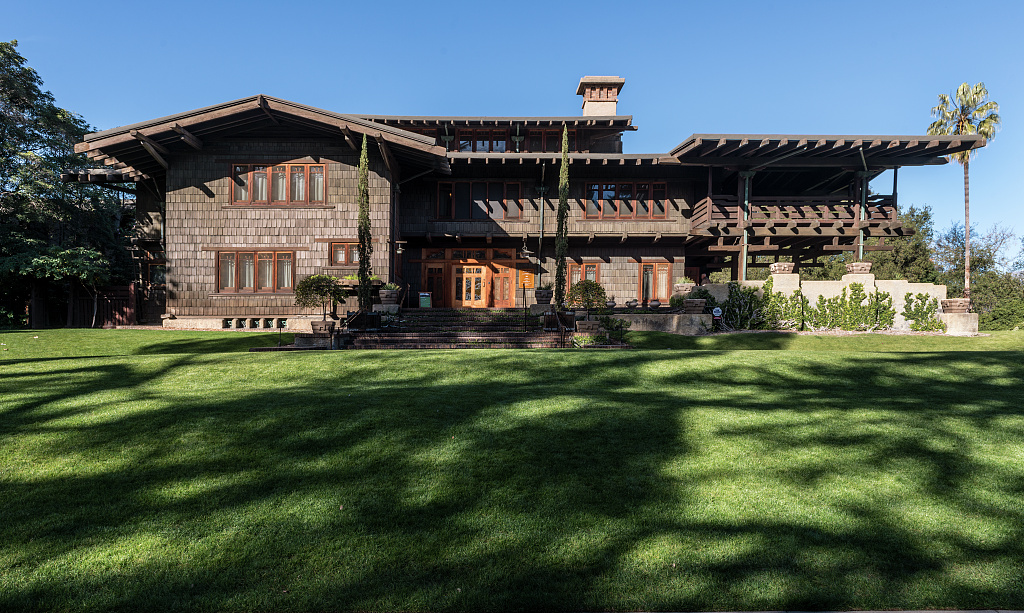
How British Arts & Crafts ideals around craft, material and honest construction evolved into the distinctly American Craftsman language.
Read article →Good design is not defined by novelty. It is the balance between purpose, material, proportion, production and use — and the ability to remain useful and meaningful beyond a trend.