INTERIORS

Read a room as a connected composition.

Interiors are shaped by more than furniture and colour. Interious connects architecture, proportion, light, materials, objects and detail so you can understand why a room feels coherent — and what belongs within it.

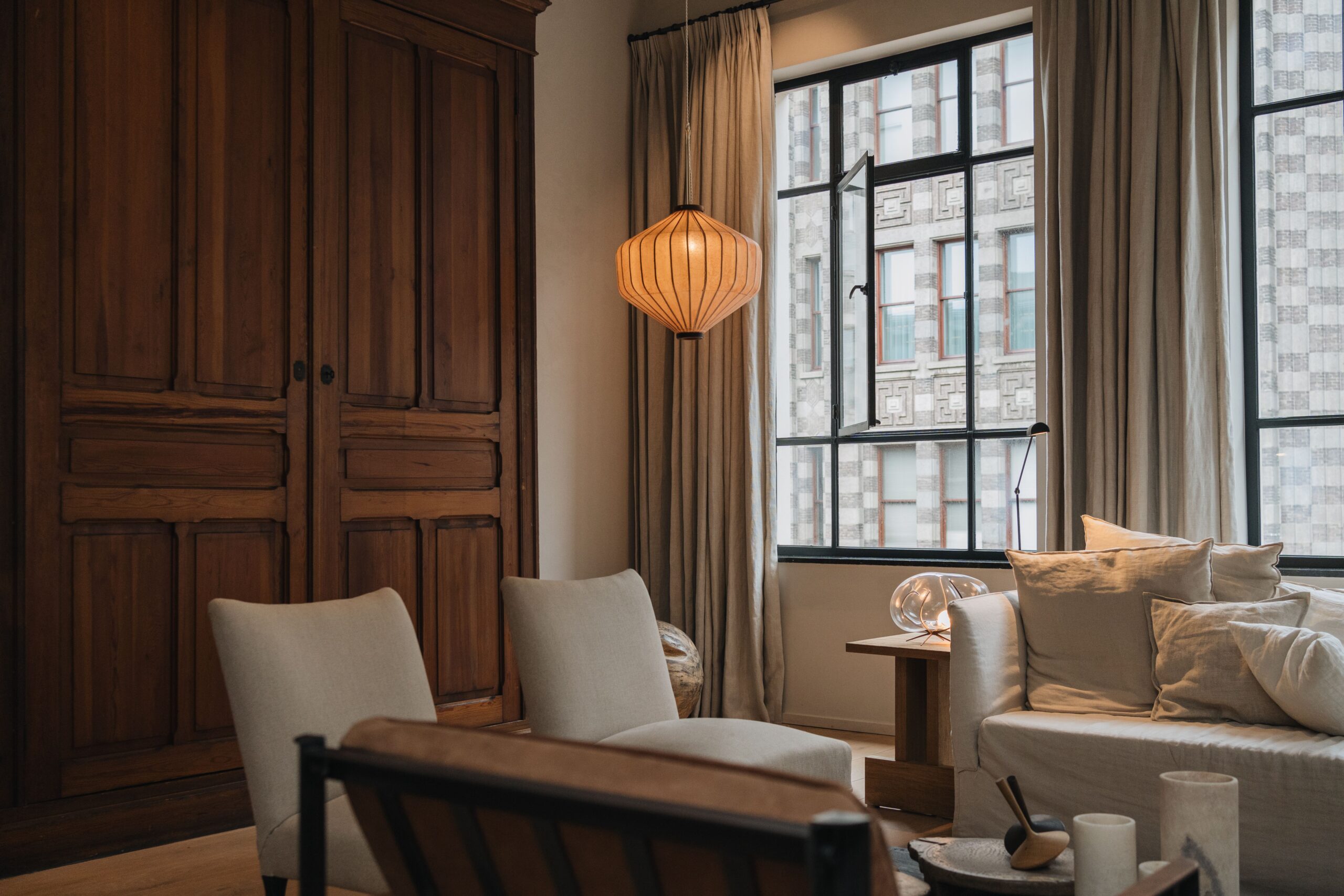
Stylish Amsterdam living room with wooden wardrobe, large windows and layered contemporary furniture
A room is read at several scales: architecture, light, furniture and detail.

Interiors make more sense when you read the room as a whole.

A room is a composition of space, structure, light, surfaces, furniture and use. Style is only one layer. The age of the building, ceiling height, openings, circulation, proportions and surviving details all shape what works.

Interious brings those layers together so you can read a room before you change it — whether restoring an original interior, furnishing a period home or creating a contemporary interpretation.

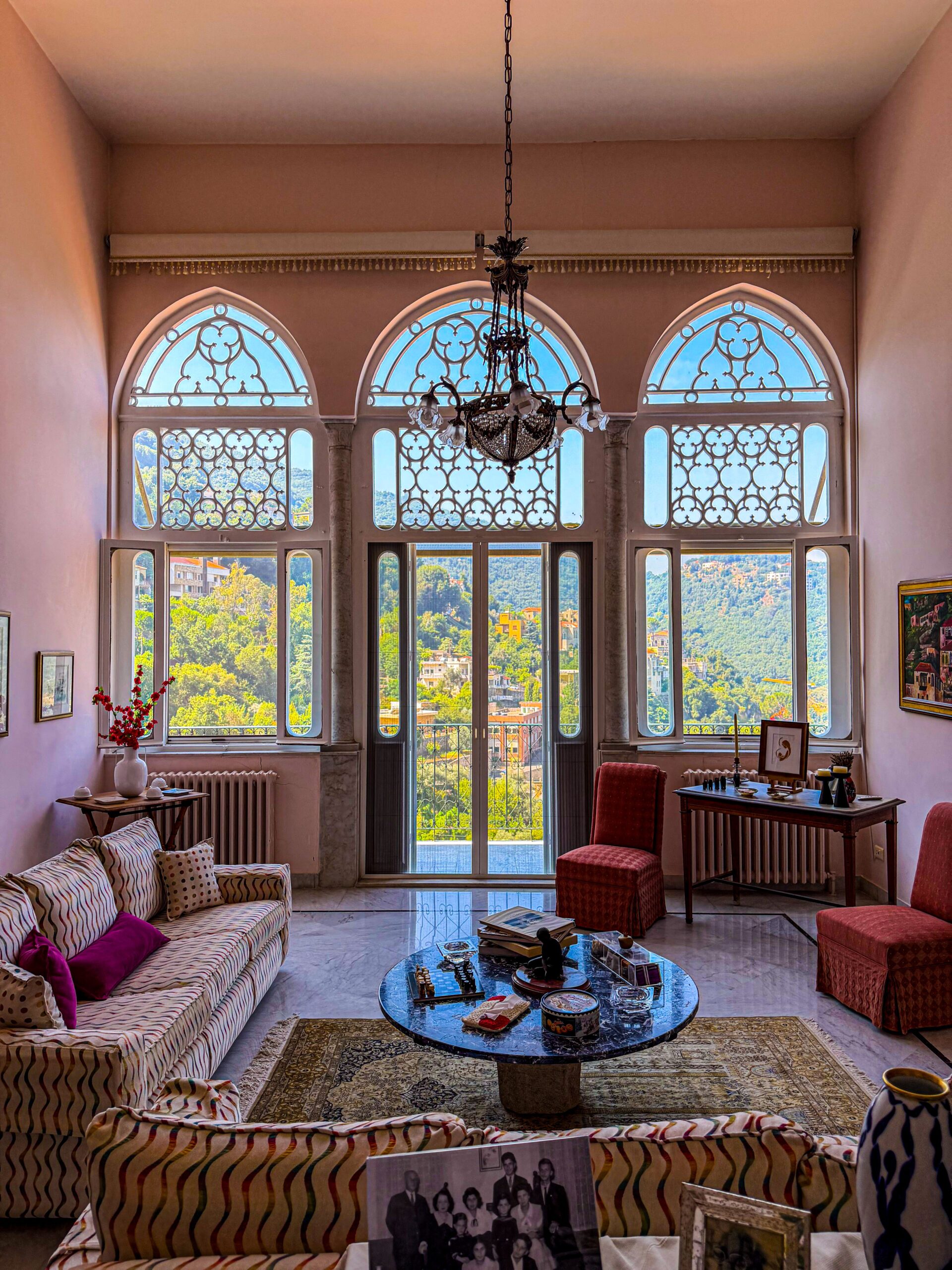
Elegant European living room with arched windows, vintage furniture and natural light
Proportion, openings and light shape the room before decoration begins.

Read interiors through five lenses.

Space & proportion
How do dimensions, rhythm, openings and circulation organise the room?

Light
How do daylight, orientation and artificial light change the way surfaces and colours are perceived?

Material & surface
Wood, stone, plaster, metal, textiles and colour each contribute to character and atmosphere.

Furniture & objects
Scale, placement and function determine how designed objects relate to the architecture around them.

Detail
Mouldings, doors, hardware, fireplaces, built-ins and finishes complete the interior story.

Start with the room itself.

Use the visible evidence first. Proportion, openings, fixed elements, materials and layers of alteration can lead you toward a period, a style and the decisions that shaped the room.

STYLES

Recognise the period before you choose the palette.

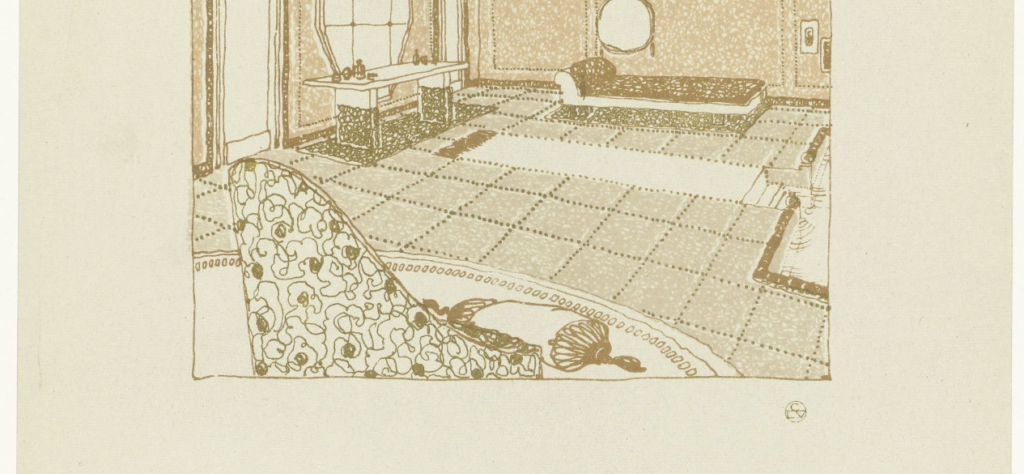
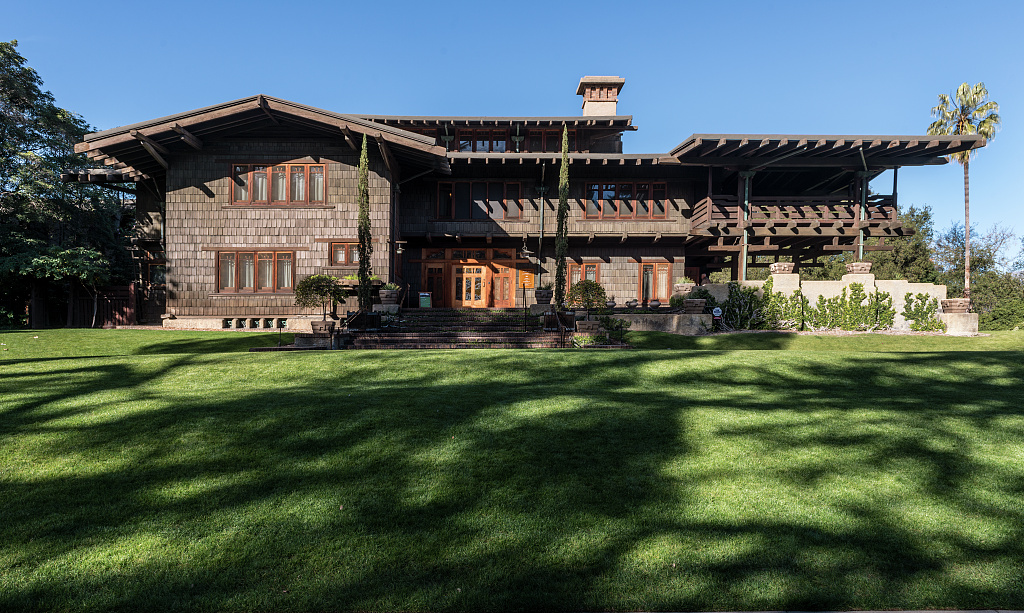
Arts & Crafts, Art Nouveau, Art Deco, modernism and later movements shaped interiors as well as buildings. Their ideas appear in furniture, colour, materials, lighting and decoration — but always through the habits and technologies of their time.
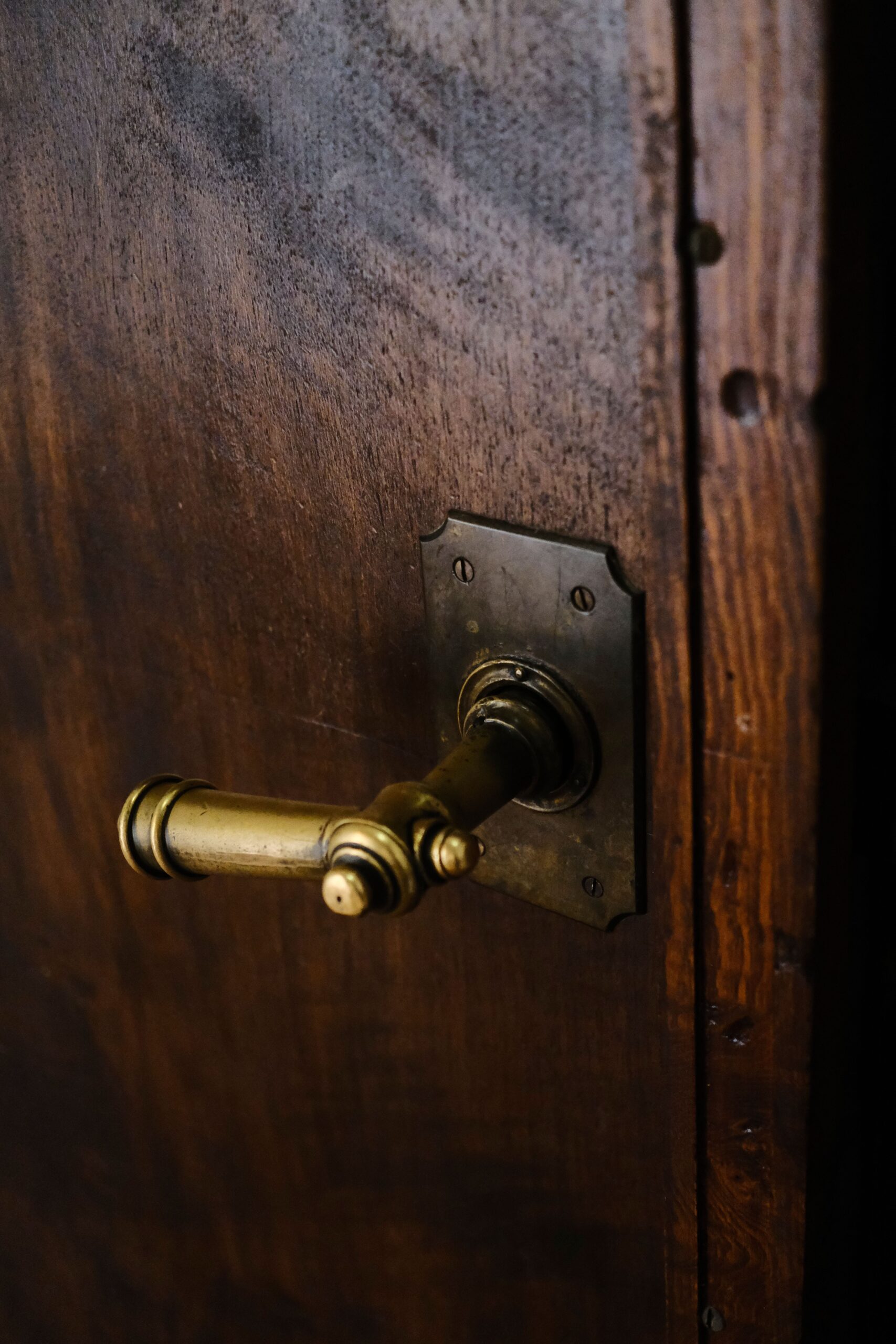
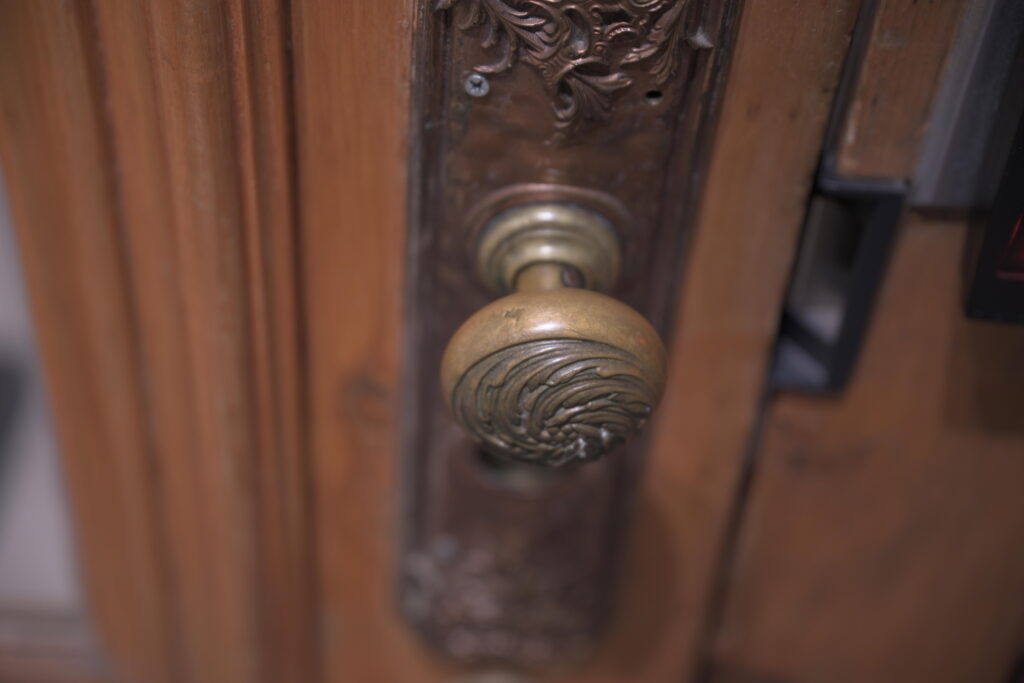
Vintage brass door handle on a wooden door showing material, patina and craftsmanship
Hardware is one of the closest points of contact between a room and its history.

Handles, mouldings, glass, profiles, fireplaces and built-ins are small enough to touch but powerful enough to define a room. They connect historical character to everyday use.

Explore the details →

Interiors sit between architecture and design.

The building gives a room its structure. Design fills it with furniture, lighting, objects and systems. A strong interior understands both.

That is why Interious connects interiors outward: back to architecture and forward to the designed objects people touch every day.

Explore design →

From shell to object.

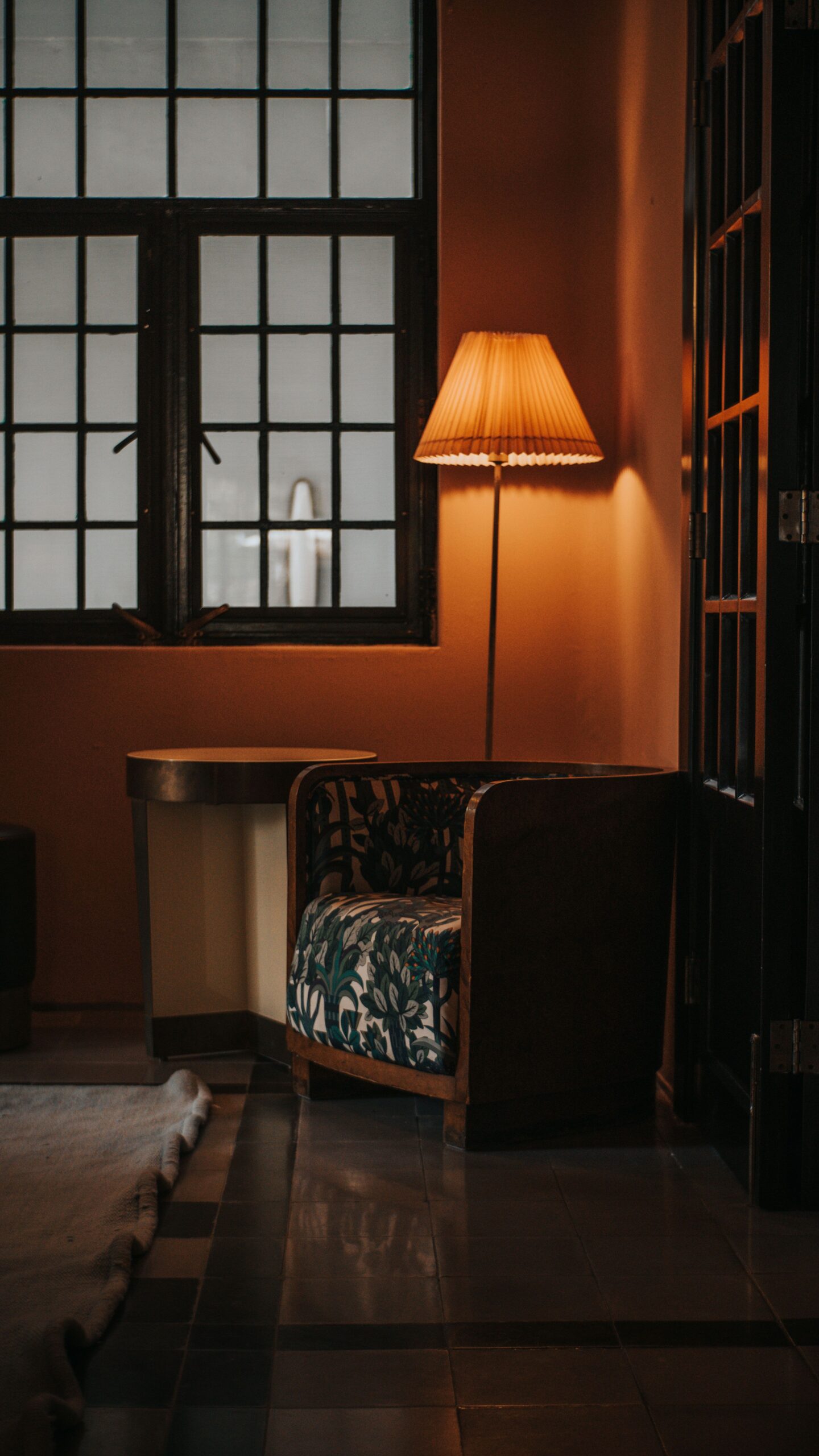
Armchair and floor lamp in a warm interior with natural light and dark window frames
Furniture and lighting sit between architecture and the human body.

Architecture
Proportion, structure and openings define the field.

Interior
Circulation, surfaces, colour and light organise the experience.

Design
Furniture, lighting and objects add function, scale and identity.

Art
Artworks and visual culture introduce another layer of meaning and atmosphere.

From the Journal — Interiors

Understand the room. Then make choices that belong.

The aim is not to recreate a period room as a museum set. It is to understand what gives an interior coherence, then decide what to preserve, restore, reinterpret or introduce.