ARCHITECTURE · INTERIOUS

Read buildings as connected histories.

Architecture begins with the building itself: its period, place, structure, materials, proportions, light and the layers of change it has accumulated. Interious brings those clues together so you can understand how a building became what it is — and make better decisions about what should come next.

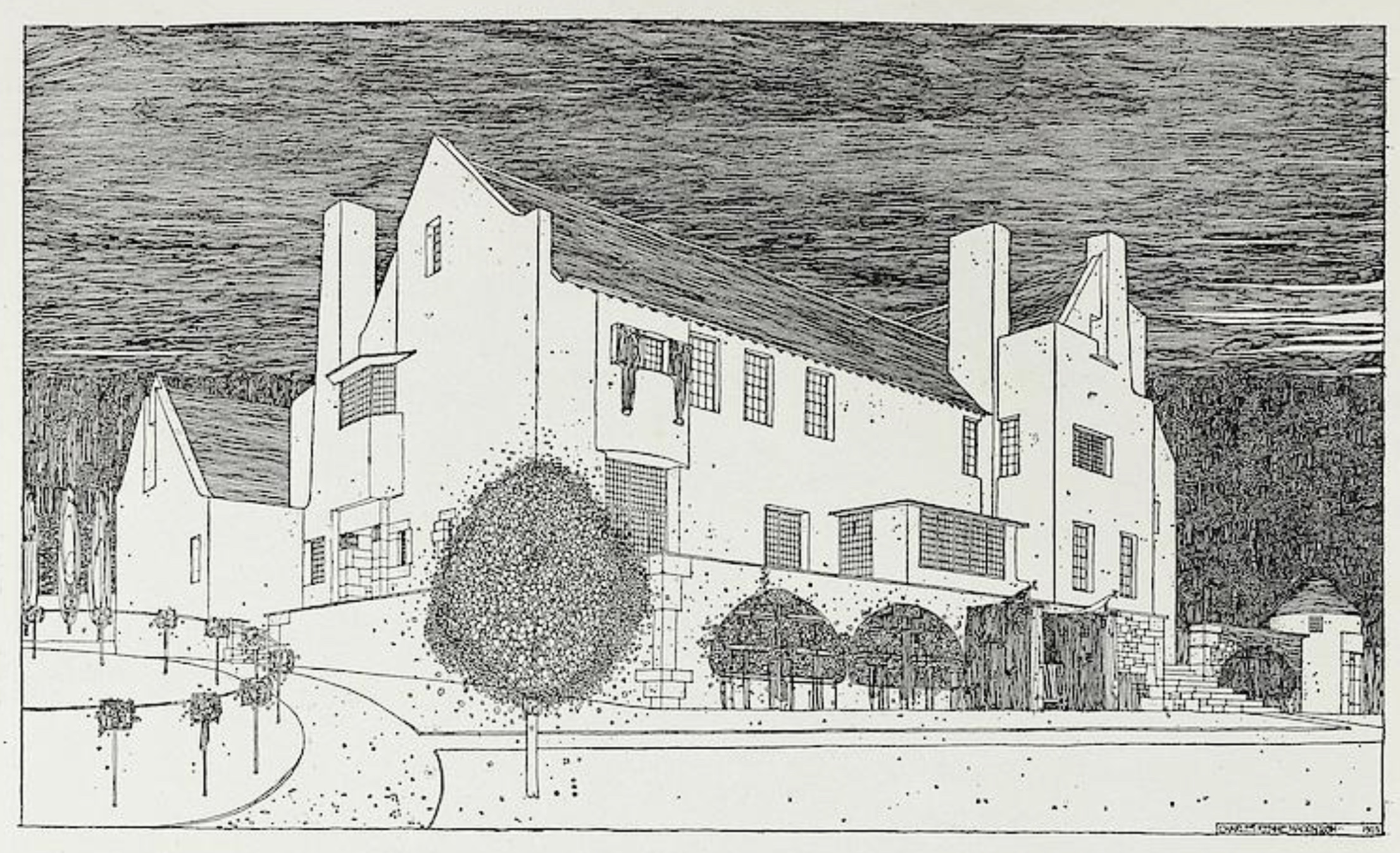
Historic 1907 image of The Hill House in Helensburgh by Charles Rennie Mackintosh
The Hill House, Helensburgh, Charles Rennie Mackintosh, 1902–04. Reading architecture means placing form, material and detail within a wider history rather than treating style as a label. Published in The Studio Yearbook, 1907 / Public Domain.

Architectural Correctness: the question behind every choice.

Architectural Correctness is Interious’ framework for deciding what belongs in an existing building — and why. It is not a rulebook for historical purity. It asks whether a decision understands the building’s logic well enough to restore, adapt or contrast with it intelligently.

That means separating evidence from styling. Period, place, structure, materials, light, plan and surviving details all matter; so do later alterations and the practical needs of the building today.

The aim is coherence rather than imitation: understand the architecture first, then decide whether the next layer should be historically correct, architecturally appropriate or deliberately contemporary.

Read the building through five connected lenses.

Period & Movement
Place the building in time without reducing it to a style label.

Place & Region
See how climate, craft, regulation and local building culture reshape architectural ideas.

Structure & Form
Read massing, plan, openings, spans and circulation as the framework behind appearance.

Material & Construction
Understand material as structure, craft, assembly and weathering — not just colour or finish.

Detail as Evidence
Use profiles, fixings, hardware and repeated components as clues within the larger building.

Compare those findings through the wider Styles, History and Details libraries.

Choose your route through the Architecture library.

The Architecture library is organised as a working method rather than a collection of style labels. Start by learning how to read the building, apply that method to a specific house, then use the renovation framework when you need to decide what the next layer should be.

READING ARCHITECTURE

Learn to read the building before you classify it.

Reading Architecture is the core method: observe first, interpret second. Use period, place, structure, material and detail together so one attractive clue never outweighs the building as a whole.

This is the best starting point when you want to understand architecture rather than simply recognise a style.
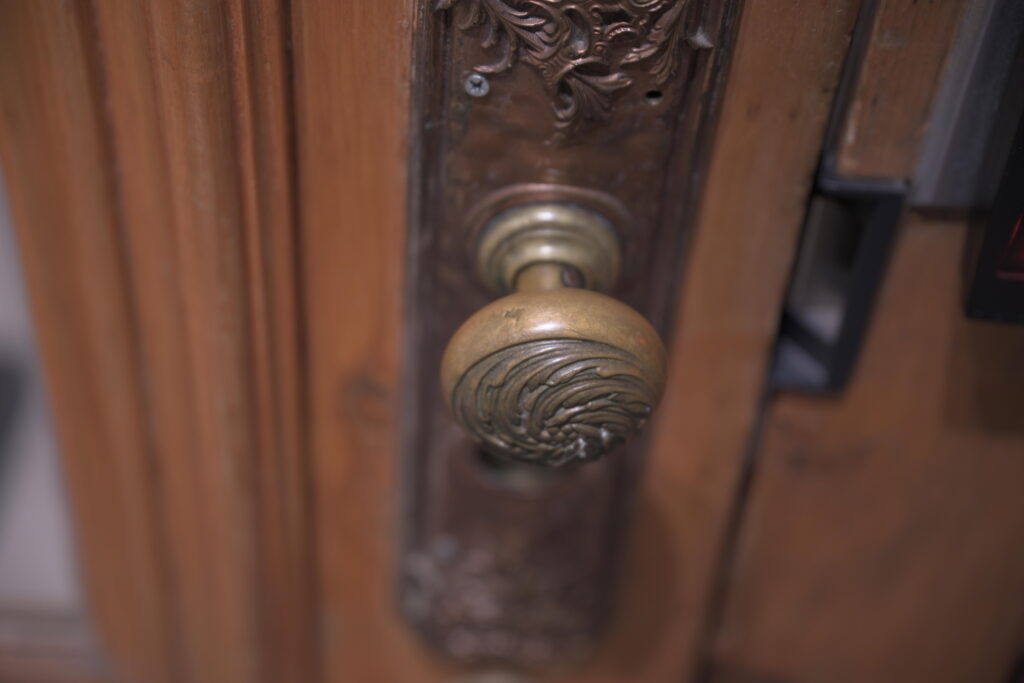
Use Identify Your Home when the question becomes specific: What style is this house? How old are its details? Which elements are original, which belong to later alterations and which are reinterpretations?

The method moves from the whole building to the evidence, so a style name never becomes a substitute for understanding the house itself.

Connected Histories: follow ideas across borders.

Connected Histories explains how architectural ideas move through people, publications, exhibitions, migration, industry and trade — and how they change when they meet another place.

That matters because resemblance alone is not explanation. A movement can share a name across countries while its structure, materials, climate response and social meaning develop differently.

Explore Connected Histories →

Europe to America: trace the transformation.

Europe to America is the first focused route through that network. It follows what happens when European movements cross the Atlantic and encounter different industries, materials, climates, building types and ways of living.

Arts & Crafts → Craftsman
Craft reform was translated through timber construction, domestic building and American production.

Art Deco → American Art Deco
European decorative geometry met the scale, commerce and verticality of the American city.

Modernism → American modernisms
Migration, schools, industry and climate produced distinct regional interpretations rather than a single imported language.

Explore Europe to America →

From the Journal — Architecture

Understand the building. Then choose how to intervene.

The Architecture library is designed to move from observation to judgement. Read the building, identify its layers and connected histories, then use Renovation & Interpretation to decide whether the next intervention should be historically correct, architecturally appropriate or deliberately contemporary.