ART
Read art as a record of ideas, people and time.
Art is more than an image or a famous name. Interious connects works to artists, movements, materials, places and the world in which they were made so you can understand what you are looking at — and why it matters.
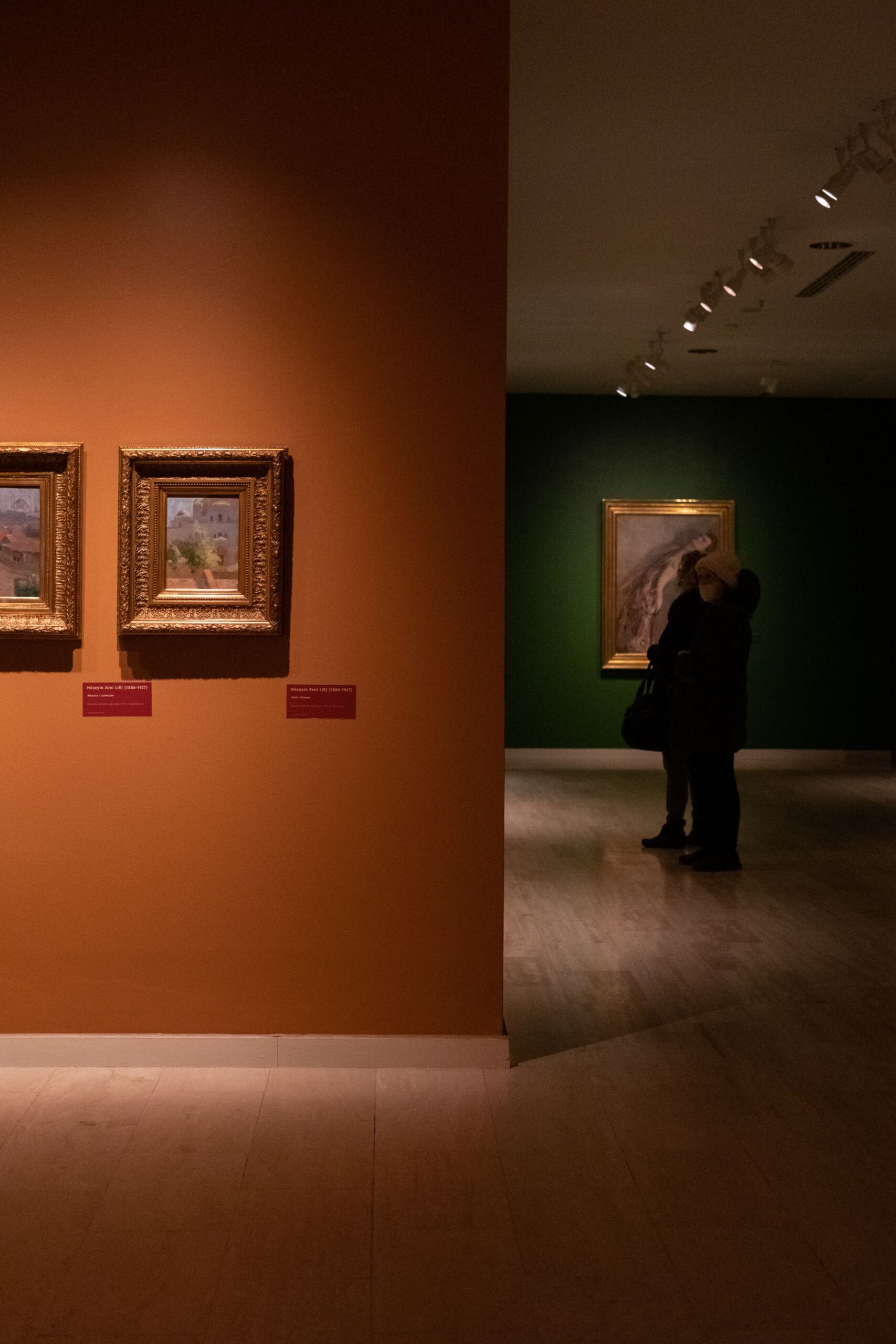
Art becomes clearer when you place the work in its context.
A painting, sculpture or photograph carries evidence of the moment in which it was made. Subject, technique, patronage, politics, belief, new technology and the artist’s own choices all shape the result.
Interious connects those layers so a work becomes more than a name and date. You begin to see what changed, what it responded to and how it relates to architecture, interiors and design around it.
Read art through five lenses.
Subject & visual language
What is shown, omitted, distorted or emphasised — and how is the image organised?
Material & technique
Paint, stone, bronze, print, photography and mixed media each shape what an artist can do.
Artist
Biography matters when it helps explain choices, influences, networks and recurring ideas.
Movement & period
Works respond to artistic traditions as well as the social, political and intellectual climate around them.
Place & patronage
Where, for whom and for what purpose a work was made can be as revealing as its style.
Start with what you can see.
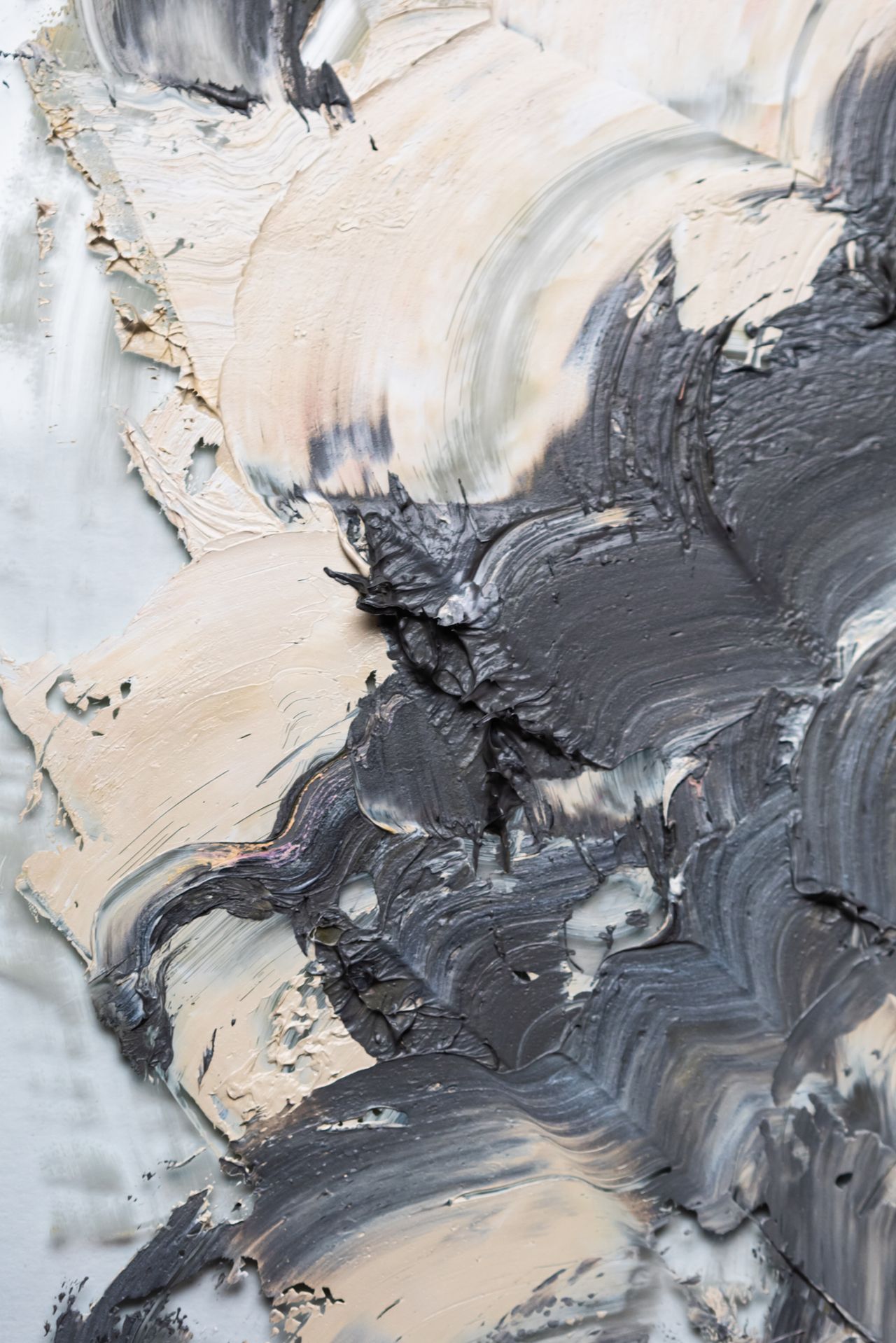
Before reaching for a label, look at composition, scale, colour, surface, gesture, material and signs of making. Those visible choices are often the shortest route into the work.
Artists do not simply reflect their time. They select, challenge, simplify and exaggerate. Following those choices reveals how individual careers connect to larger movements without becoming interchangeable with them.
Paintings, sculpture and objects are experienced at architectural scale: against walls, in daylight, across a room and in relation to furniture and people. Display changes how art is read.
Art changes when materials, places and audiences change.
Oil paint, fresco, bronze, photography, printmaking and digital media do not simply carry an image. Each medium brings its own possibilities, labour, cost, scale and way of ageing.
Places matter too. Courts, churches, workshops, cities, galleries and private homes all shaped what artists made and how viewers encountered it.
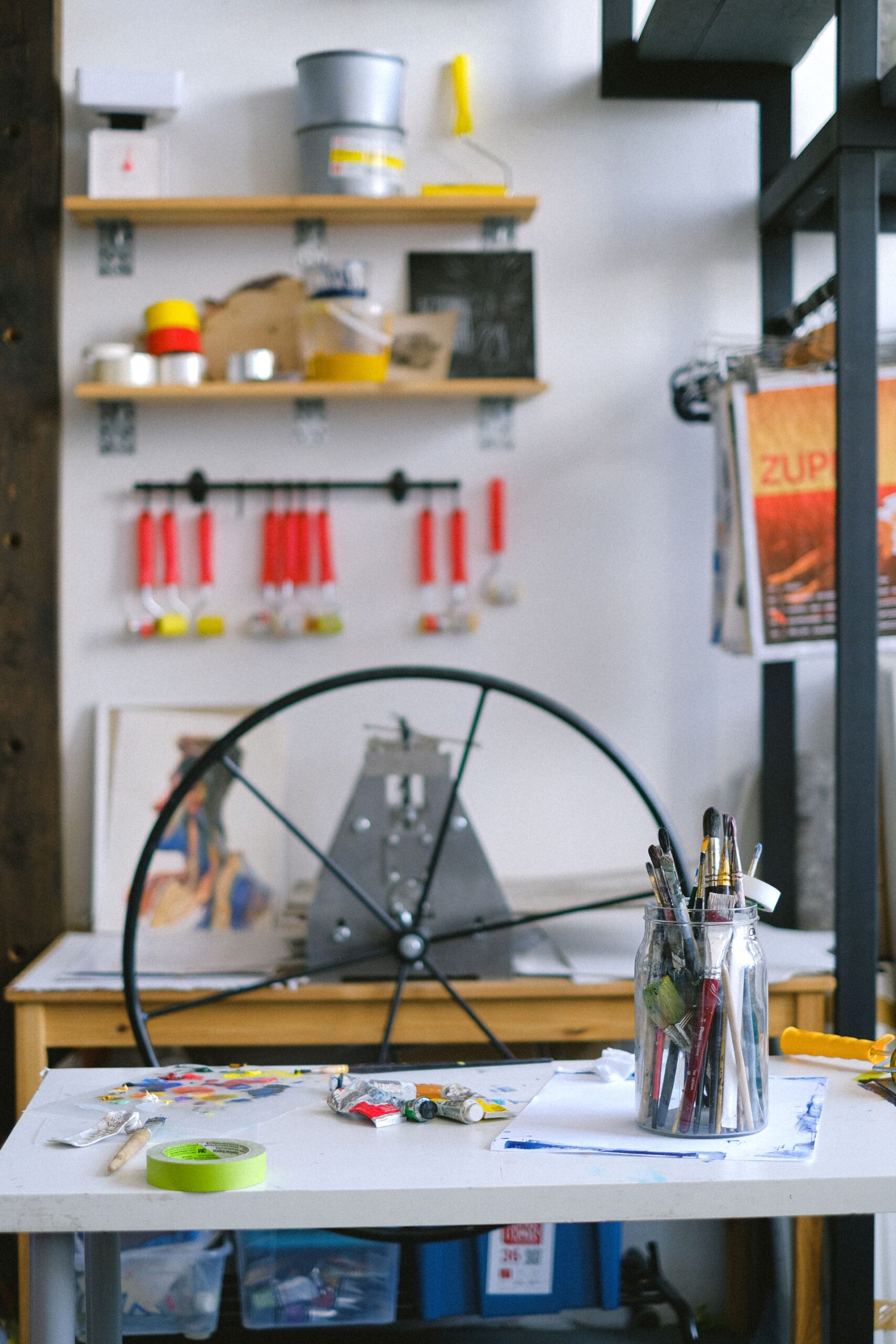
From pigment to process.
Painting
Ground, pigment, binder and brushwork build colour and surface layer by layer.
Print
Woodcut, engraving, etching and lithography turn an image into something that can circulate.
Sculpture
Carving, modelling and casting make material, weight and space part of the work.
Photography
Camera, process, print and reproduction change the relationship between image and reality.
Contemporary practice
Installation, video, found objects and digital tools expand where a work begins and ends.
From the Journal — Art
No related articles found.
Understand the work. Then see the connections around it.
The aim is not to memorise names and dates. It is to learn how to look, then connect what you see to artist, material, movement, place and the designed world around it.