
DETAILS & MATERIALS · INTERIOUS JOURNAL
Authentic Interior Hardware: Why Classic Door Furniture Matters
Door hardware is architecture at hand scale. A lever, rose, backplate or escutcheon may be small, but repeated throughout a house it becomes part of the building’s visual rhythm. In a convincing interior, classic door furniture does not simply look old: its form, material, proportion and finish belong to the door and to the room around it.
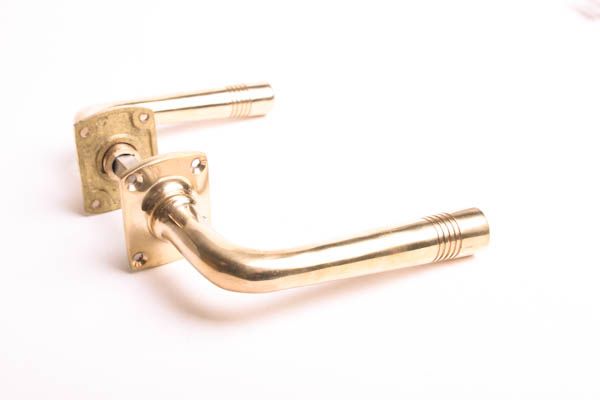
The easiest way to make an old interior feel strangely anonymous is to remove its small, repeated details. Doors survive, mouldings survive and the proportions of the room may remain intact, yet shiny generic handles can still interrupt the whole composition. The reverse is also true. Reintroducing well-chosen door furniture can restore a surprising amount of coherence without turning a home into a period set.
Hardware is architecture at hand scale
A door handle is one of the few architectural details we touch every day. It sits exactly where the building meets the hand. That makes it functional, but also unusually visible. Across a hall or enfilade of rooms, the repeated relationship between handle, rose or backplate, key escutcheon and hinge becomes a quiet rhythm.
This is why classic door hardware should not be treated as jewellery added at the end. The hardware belongs to the door first: to the width of its stile, the depth of its panels, the position of its lock and the scale of the room.
Authenticity begins with material
Traditional hardware was shaped by what it was made from. Solid brass and bronze can be cast, worked, polished and allowed to oxidise. Iron and cast iron have a different visual weight and age in another way. Timber, porcelain and Bakelite introduce texture and temperature that metal alone cannot provide.
That distinction matters because an “antique” finish is not the same thing as an authentic material. Artificial ageing can imitate colour, but it cannot reproduce the weight, edge definition, wear or long-term surface behaviour of the material beneath it. Patina is most convincing when it is a consequence of material and use, rather than a decorative shortcut.
The most convincing classic handle is not the one that looks oldest. It is the one that belongs to the door.
Read the door before choosing the handle
Before opening a catalogue, look at the door itself. Is it narrow or broad? Flush or panelled? Does it retain an original lock, keyhole, backplate outline or old screw pattern? Are the hinges visible? Is the door part of a repeated sequence through the house?
On a narrow stile, a heavy backplate can dominate. On a substantial late-nineteenth-century panelled door, a tiny contemporary rose may look under-scaled. Existing paint shadows and filled screw holes can also reveal the size and location of earlier hardware. Even when the original fittings are gone, the door often preserves evidence.
For a wider method, see Architectural Details and Interiors.
Classic is not one style
The label “classic” covers several very different families of door furniture. A successful choice starts by narrowing the period and character rather than searching for something simply described as old-fashioned.
Late nineteenth and early twentieth century
Curved solid-metal levers, often combined with porcelain, timber or dark inserts, can suit interiors where decorative craft still has visible weight. Brass and bronze finishes work particularly well when the surrounding joinery has strong profiles.
1920s and 1930s
Door furniture often becomes more geometric and restrained. Dutch interiors from this period can accommodate the familiar ton-model family, as well as nickel, ebony and Bakelite combinations. The forms can be historically rooted without feeling ornate.
Chemin de Fer
The compact railway-handle type associated with French rail interiors shows how an industrial object can cross into domestic use. Its appeal comes from a direct, tactile form rather than decorative excess.
Bauhaus and related modernist designs
Functional geometry and clear construction can make interwar hardware feel unexpectedly contemporary. This is a useful reminder that period-appropriate does not always mean visually “traditional”.
Rosettes, backplates and screws are part of the design
Changing only the lever can leave the rest of the door unresolved. A round or square rose changes the way the handle meets the door. A long backplate can relate the lever to the keyhole and cover evidence of earlier fittings. Slotted screws, visible fixings and matching escutcheons affect the overall reading more than their size suggests.
The strongest results usually come from treating the hardware as a family: handle, rose or plate, key or cylinder escutcheon, privacy turn where needed, hinges and nearby window fittings. They do not have to be identical, but they should share a material logic and visual weight.
Reproduction is not the opposite of authenticity
Original antique hardware is valuable when it survives and works. But a good reproduction can be the more appropriate choice when a house needs multiple matching sets, modern spindle compatibility or replacement parts. What matters is how the reproduction is made and what evidence it follows.
Some specialist ranges begin with surviving antique examples and reproduce the original form in traditional materials. That approach preserves proportions and tactile character while making the object usable in a contemporary renovation. The aim is not to manufacture fake age; it is to keep the design language intact.
Restoration, appropriate replacement or deliberate contrast?
There are several legitimate ways to work with an old interior. Where original hardware survives, restoration may be the obvious first choice. Where fittings are missing, a period-appropriate replacement can rebuild the original hierarchy without pretending to be untouched. And in a clearly contemporary intervention, new hardware can deliberately contrast with the old door — provided the contrast is controlled rather than accidental.
The weak option is usually the one with no position at all: a generic fitting chosen only because it was readily available.
What to check before buying classic door hardware
Material — Is the visible body solid brass, iron, timber, porcelain or another material appropriate to the intended character?
Scale — Measure the lever length, projection, rose or plate size and the width of the door stile.
Compatibility — In the Netherlands and Belgium many interior locks use an 8 mm square spindle, but measure the existing lock before ordering.
Existing evidence — Old screw holes, paint shadows and keyhole positions can affect whether a rose or backplate is the better solution.
The wider family — Check whether matching escutcheons, privacy fittings, window hardware or front-door pieces are available if the project needs a coherent set.
Finish — Choose the base material and form first. Colour and patina should support those decisions, not compensate for the wrong design.
A small change with disproportionate effect
Door furniture is repeated more often than most decorative objects in a house. That repetition gives it influence. Replace one handle and the change is local; replace a coherent series across a floor and the whole interior begins to read differently.
That is why authentic hardware matters to Interious. Good renovation is not about making everything old. It is about understanding which details carry the architecture, then deciding what deserves to be preserved, reproduced or reinterpreted.
Continue with Architectural Details, Interiors and the Interious Journal.
Authenticity lives in the whole family of fittings.
A lever is only one part of the composition. Traditional finishes, rosettes, escutcheons and front-door hardware show how the same material language can continue through an interior and out to the entrance.
Where to buy classic door hardware
For readers ready to source traditional classic door handles, the specialist Interieurbeslag collections in the Netherlands and Belgium include brass, iron, porcelain, timber, Bakelite and period-inspired models such as ton-model, Bauhaus and Chemin de Fer families.
Measure the existing door and lock first, then use the collection as a source rather than letting the catalogue define the building.
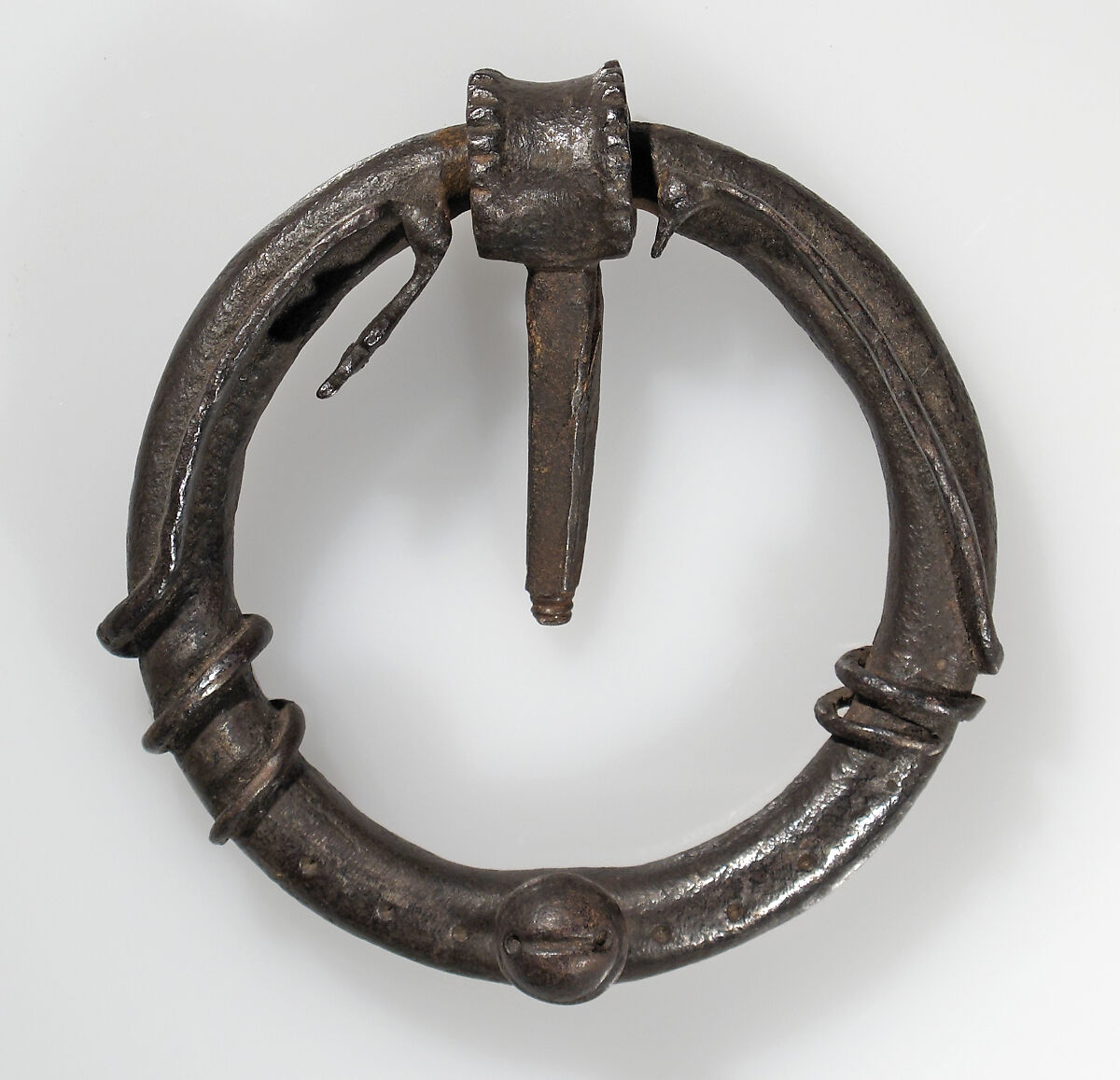
Image note — contemporary hardware photographs in this article are from Interieurbeslag.nl and are used here with permission. Historical door-hardware images are from The Metropolitan Museum of Art and are Public Domain.